Furnace Repair in Boulder, UT
Frigid winter drafts make malfunctioning heating systems an immediate emergency. Experienced heating technicians troubleshoot cycling limit switches, unresponsive thermostats, faulty gas valves, and cracked igniters in Boulder to restore household comfort.
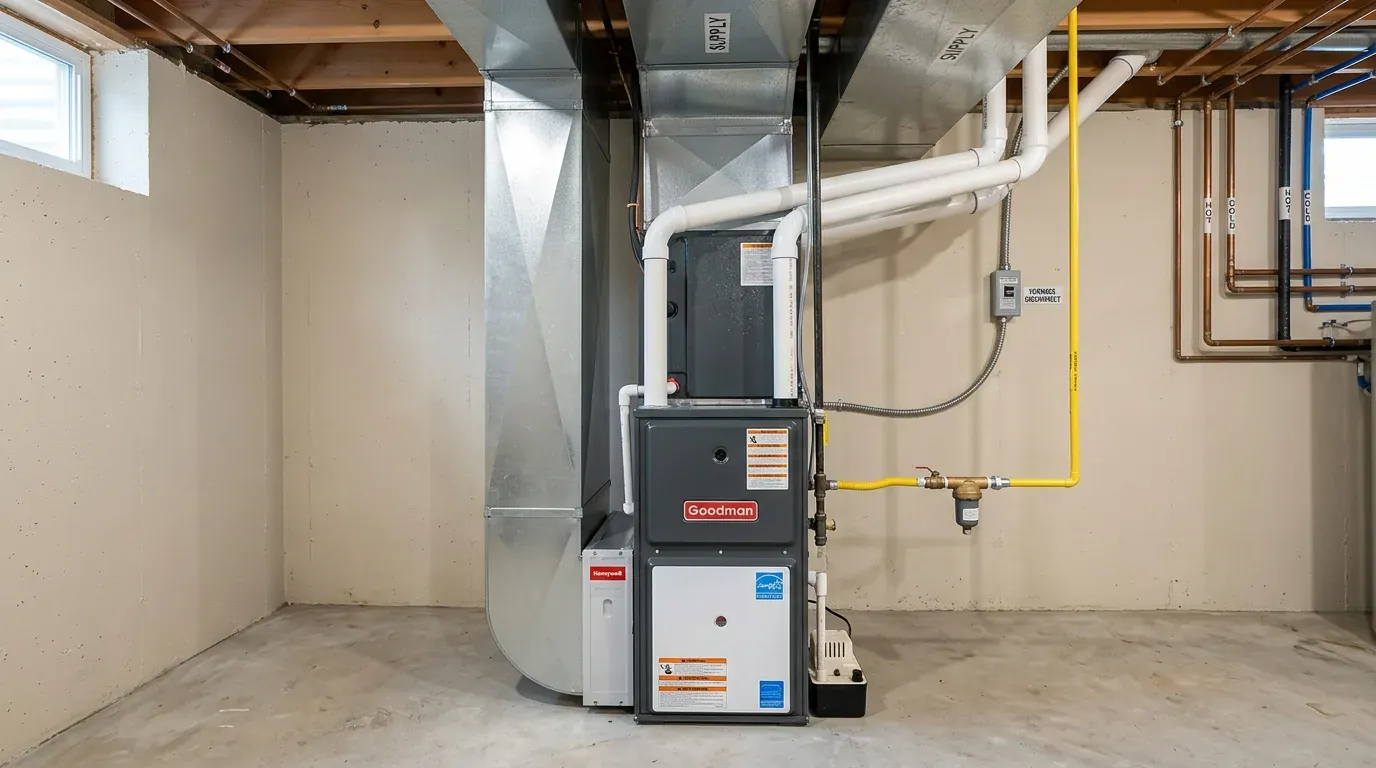
Furnace Repair in Boulder
Rooms that stay stubbornly frigid while other parts of the home feel like an oven reveal severe airflow imbalances and duct static pressure issues in Boulder. Forced-air furnaces rely on balanced static pressure to distribute warm air evenly through supply trunks and branch runs. Undersized return grilles or crushed flex ducting starve the blower motor, resulting in noisy registers and uncomfortable hot-and-cold spots.
Operating a furnace against excessive static pressure forces the blower motor to pull high electrical amperage, overheating internal motor windings and wearing out motor bearings prematurely. Specialists measure total external static pressure with sensitive digital manometers, adjust variable-speed ECM blower motor DIP switches, and calibrate manual trunk dampers to balance cubic feet per minute (CFM) delivery across every living zone.
Sealing duct connections with mastic paste and balancing branch registers ensures consistent, draft-free warmth reaches second-story bedrooms and corner living spaces in Boulder. Comprehensive airflow optimization reduces furnace run times, lowers monthly heating expenses, and ensures every room in your home maintains comfortable, even temperatures through the coldest nights.
Heating & Furnace Services in Boulder
- Emergency Furnace Repair: Rapid diagnostic troubleshooting, safety switch testing, and immediate mechanical repairs for sudden furnace lockouts and no-heat emergencies.
- Furnace Replacement & Installation: Engineered Manual J load sizing and precision installation of high-efficiency gas, electric, and condensing furnaces built for your home.
- Heating Maintenance & Tune-Up: Multi-point seasonal safety inspections, flame sensor cleaning, burner calibration, and digital combustion efficiency testing to prevent winter breakdowns.
- Heat Pump Repair & Installation: Complete diagnostic troubleshooting, defrost board repair, reversing valve service, and dual-fuel system installations for year-round heating efficiency.
- Boiler Repair & Heating Service: Specialized hydronic diagnostic service, zone valve replacement, circulator pump repairs, and baseboard radiator heating maintenance for residential boilers.
- Commercial Heating & HVAC Services: Rooftop packaged unit maintenance, commercial furnace diagnostics, and planned preventative heating service contracts tailored for local commercial facilities.
Diagnostic & Repair Workflow
Scheduling a furnace repair begins with a direct telephone intake where our dispatch staff collects detailed symptom information, equipment make, and home characteristics in Boulder. An experienced heating technician is dispatched with specialized diagnostic tools, including digital manometers, combustion analyzers, and common OEM ignition components, ready to inspect the malfunctioning system on arrival.
On site, the technician executes a step-by-step diagnostic sequence, testing electrical continuity, flame sensor microamps, gas manifold pressure, and safety switch operation. Once the root cause is isolated, you receive an itemized quote before any repairs begin, followed by thorough operational testing to verify safe, reliable heat delivery before the service call concludes.
What Boulder Homeowners & Managers Say
"Loud metallic screeching started every time the heat called, making us fear the furnace was about to explode. The technician lubricated the motor assembly, replaced a worn blower wheel belt, and aligned the pulleys so the unit runs whisper-quiet again."
"Water was pooling rapidly on our basement floor right beneath the high-efficiency furnace cabinet. The repairman cleared a calcified condensate trap, replaced a failed vinyl drain line, and verified the safety float switch would kill power if it ever backed up again."
"The annual autumn safety inspection literally saved our household from danger. The technician discovered a hairline crack along the primary heat exchanger cell using an inspection scope, showing us the soot traces where carbon monoxide could have infiltrated our bedrooms."
Heating Coverage Across Boulder, UT
Heating & Furnace FAQs in Boulder
Nearby Heating Service in Garfield County
Restore Warmth in Your Boulder Home
Cold air blowing from your vents signals underlying mechanical or electrical furnace stress. Speak with our dispatchers for timely troubleshooting and clear pricing.