Furnace Repair in Williams, OR
Frigid winter drafts make malfunctioning heating systems an immediate emergency. Experienced heating technicians troubleshoot cycling limit switches, unresponsive thermostats, faulty gas valves, and cracked igniters in Williams to restore household comfort.
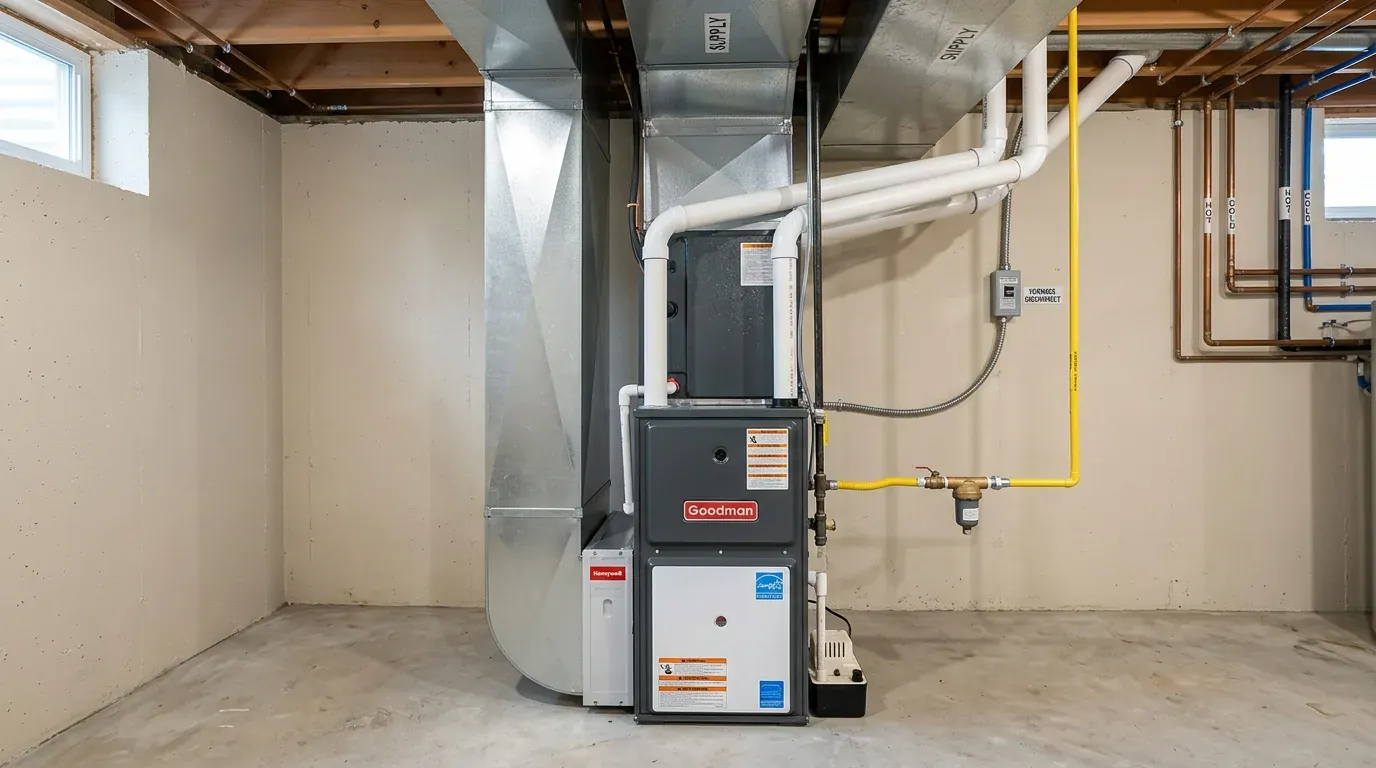
Precision Furnace Repair in Williams
Unusual mechanical noises or faint sulfur smells near the furnace closet demand immediate professional evaluation before operating the heating equipment again in Williams. Aging heat exchangers undergo thousands of expansion cycles every winter, eventually developing hairline stress cracks that compromise combustion isolation. A compromised firebox allows dangerous exhaust fumes to mix directly with the indoor circulation air distributed to bedrooms.
Yellow, lazy burner flames instead of sharp blue cones indicate improper fuel-to-air combustion, which dramatically increases carbon monoxide production while reducing thermal output. Certified HVAC technicians utilize digital flue gas analyzers to measure draft pressure, stack temperature, and carbon monoxide parts per million, ensuring that burner orifices, manifold regulators, and flue chimneys vent dangerous byproducts safely outdoors.
Every inspection prioritizes household safety across Williams neighborhoods by confirming that safety rollout switches, limit controls, and venting systems meet stringent local mechanical codes. Restoring dependable warmth means delivering efficient heating performance while verifying zero hazardous gases contaminate indoor air, giving families total confidence in their heating safety during freezing weather.
Heating & Furnace Services in Williams
- Emergency Furnace Repair: Rapid diagnostic troubleshooting, safety switch testing, and immediate mechanical repairs for sudden furnace lockouts and no-heat emergencies.
- Furnace Replacement & Installation: Engineered Manual J load sizing and precision installation of high-efficiency gas, electric, and condensing furnaces built for your home.
- Heating Maintenance & Tune-Up: Multi-point seasonal safety inspections, flame sensor cleaning, burner calibration, and digital combustion efficiency testing to prevent winter breakdowns.
- Heat Pump Repair & Installation: Complete diagnostic troubleshooting, defrost board repair, reversing valve service, and dual-fuel system installations for year-round heating efficiency.
- Boiler Repair & Heating Service: Specialized hydronic diagnostic service, zone valve replacement, circulator pump repairs, and baseboard radiator heating maintenance for residential boilers.
- Commercial Heating & HVAC Services: Rooftop packaged unit maintenance, commercial furnace diagnostics, and planned preventative heating service contracts tailored for local commercial facilities.
Diagnostic & Repair Workflow
Diagnosing intermittent heating failures demands rigorous testing of the furnace's integrated control board and low-voltage wiring in Williams. Technicians review diagnostic LED fault code histories stored on the control module, check transformer output voltage, and inspect safety circuit switches under actual operating conditions to catch intermittent dropouts.
Once the faulty component is identified—whether a failing draft inducer motor, sticking gas solenoid, or cracked vacuum hose—the technician replaces the part using manufacturer-approved components. The heating cycle is then monitored through several complete ignition cycles to ensure consistent burner engagement and proper heat distribution.
What Williams Homeowners & Managers Say
"Scary booming sounds at burner ignition were shaking our mechanical room closet. The specialist explained delayed ignition caused by clogged burner cross-over slots, scrubbed the cast-iron burners clean, and reset the manifold gas pressure to exact factory specifications."
"Having an experienced technician inspect our heating system before sub-zero temperatures hit was the best decision we made. He found an out-of-spec blower motor capacitor and a dirty flame rod, preventing what would have been a miserable holiday breakdown."
"Condensate drain lines in our unheated crawlspace froze solid during a sub-zero cold snap, triggering an automatic pressure switch lockout. The tech thawed the trap, insulated the discharge piping, and showed me how to maintain the line throughout deep winter freezes."
Heating Coverage Across Williams, OR
Heating & Furnace FAQs in Williams
Nearby Heating Service in Josephine County
Restore Warmth in Your Williams Home
Cold air blowing from your vents signals underlying mechanical or electrical furnace stress. Speak with our dispatchers for timely troubleshooting and clear pricing.