Furnace Repair in Cleveland, GA
Frigid winter drafts make malfunctioning heating systems an immediate emergency. Experienced heating technicians troubleshoot cycling limit switches, unresponsive thermostats, faulty gas valves, and cracked igniters in Cleveland to restore household comfort.
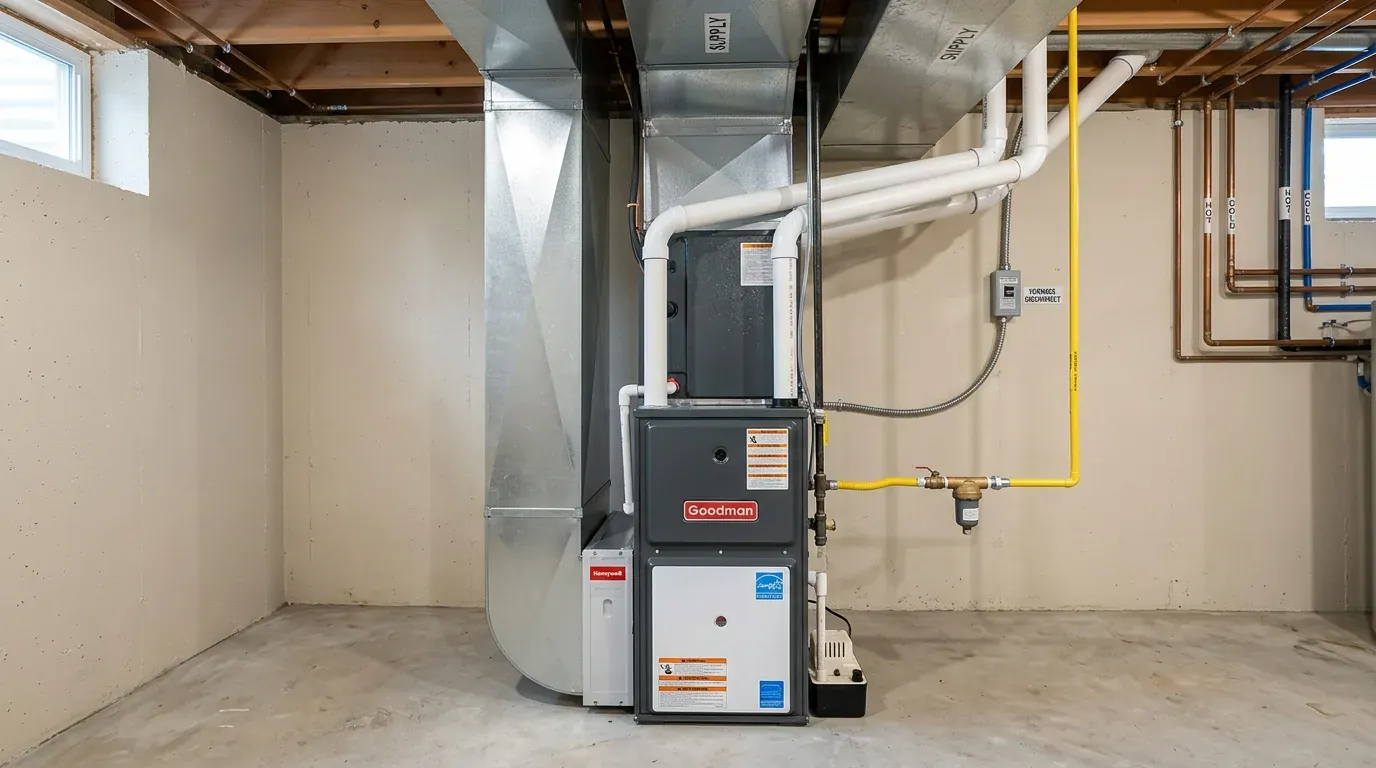
Residential Furnace Repair in Cleveland
Freezing outdoor temperatures place immense strain on residential heating systems, causing sudden lockouts right when indoor comfort is needed most in Cleveland. When a furnace short cycles or refuses to ignite, restricted airflow or an overheated heat exchanger is often forcing the high-limit safety switch to shut down the gas valve. Ignoring these initial warning signs risks complete motor burnout or sudden burner failure during winter freezes.
Homeowners frequently attempt to reset tripped breakers or swap thermostat batteries, but persistent heating failures usually trace back to fouled flame sensors, cracked hot surface igniters, or seized draft inducer fans. Modern electronic ignition boards run strict diagnostic sequences, and any interrupted voltage signal or pressure drop immediately triggers a protective system lockout to prevent unburned fuel accumulation inside the burner compartment.
Dispatch teams coordinate directly with local homeowners to route heating technicians equipped with electronic diagnostic multimeters, combustion analyzers, and universal replacement parts. Restoring safe, steady heat across Cleveland living rooms begins with thorough troubleshooting that isolates the true electrical or mechanical fault before any parts are replaced, ensuring your heating system operates safely and efficiently throughout the season.
Heating & Furnace Services in Cleveland
- Emergency Furnace Repair: Rapid diagnostic troubleshooting, safety switch testing, and immediate mechanical repairs for sudden furnace lockouts and no-heat emergencies.
- Furnace Replacement & Installation: Engineered Manual J load sizing and precision installation of high-efficiency gas, electric, and condensing furnaces built for your home.
- Heating Maintenance & Tune-Up: Multi-point seasonal safety inspections, flame sensor cleaning, burner calibration, and digital combustion efficiency testing to prevent winter breakdowns.
- Heat Pump Repair & Installation: Complete diagnostic troubleshooting, defrost board repair, reversing valve service, and dual-fuel system installations for year-round heating efficiency.
- Boiler Repair & Heating Service: Specialized hydronic diagnostic service, zone valve replacement, circulator pump repairs, and baseboard radiator heating maintenance for residential boilers.
- Commercial Heating & HVAC Services: Rooftop packaged unit maintenance, commercial furnace diagnostics, and planned preventative heating service contracts tailored for local commercial facilities.
Diagnostic & Repair Workflow
Arranging seasonal heating maintenance protects equipment longevity and prevents unexpected winter breakdowns across Cleveland. During a tune-up appointment, the technician opens the furnace cabinet to clean burner tubes, inspect the hot surface igniter, test electrical capacitor microfarads, and clear internal condensate drain traps on condensing units to prevent drainage lockouts.
The final stage involves dynamic combustion analysis using an electronic flue gas analyzer to measure oxygen levels, carbon monoxide output, and stack temperature. All electrical connections are torqued, thermostat heat anticipators or digital offsets are calibrated, and you receive an itemized report documenting the system's operational efficiency.
What Cleveland Homeowners & Managers Say
"Upstairs bedrooms in our two-story colonial were always five to eight degrees colder than the ground floor. The technician balanced the supply trunk dampers, sealed leaking return duct joints in the attic with mastic, and finally eliminated the stubborn draft."
"Condensate drain lines in our unheated crawlspace froze solid during a sub-zero cold snap, triggering an automatic pressure switch lockout. The tech thawed the trap, insulated the discharge piping, and showed me how to maintain the line throughout deep winter freezes."
"Scary booming sounds at burner ignition were shaking our mechanical room closet. The specialist explained delayed ignition caused by clogged burner cross-over slots, scrubbed the cast-iron burners clean, and reset the manifold gas pressure to exact factory specifications."
Heating Coverage Across Cleveland, GA
Heating & Furnace FAQs in Cleveland
Nearby Heating Service in White County
Restore Warmth in Your Cleveland Home
Cold air blowing from your vents signals underlying mechanical or electrical furnace stress. Speak with our dispatchers for timely troubleshooting and clear pricing.